

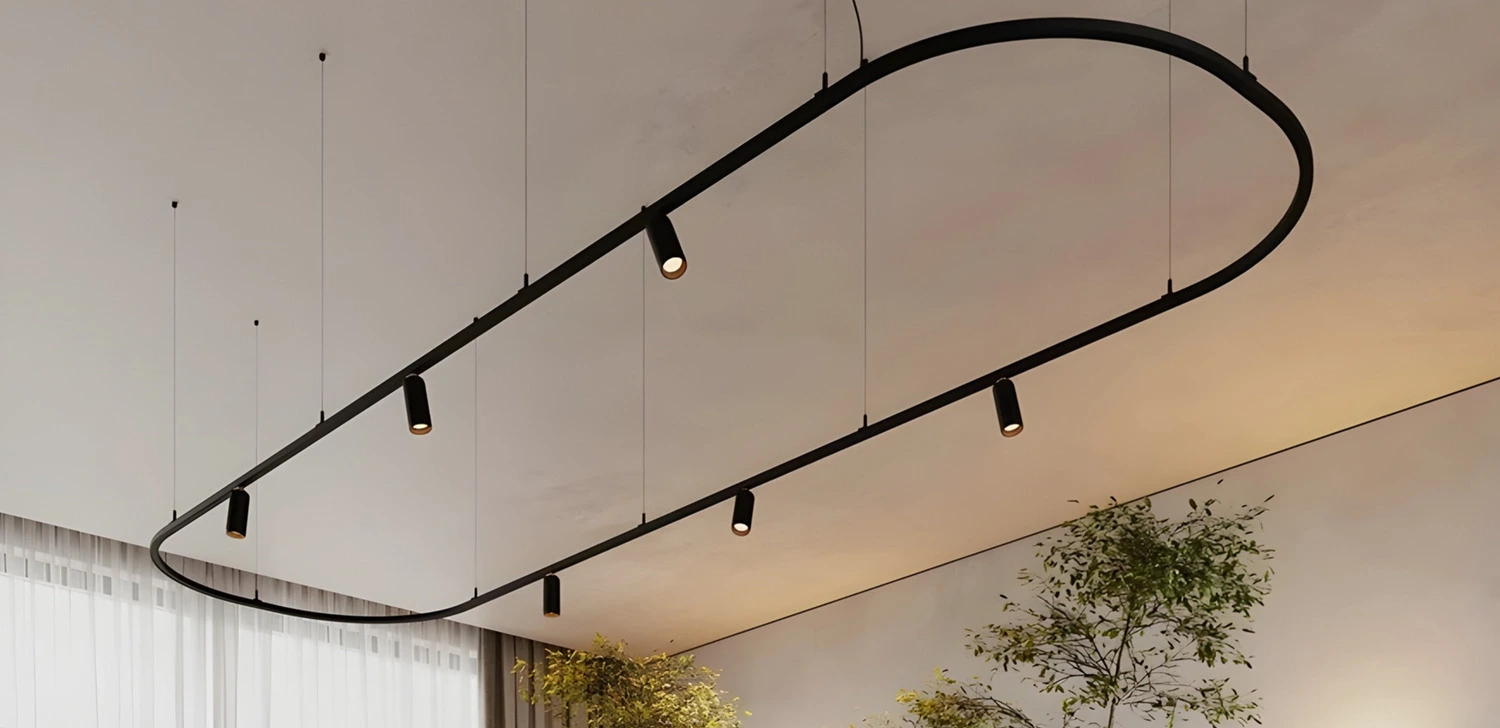
Commercial environments are constantly evolving, requiring lighting systems that can adapt to changing layouts and operational needs. Traditional systems often require full replacement when updates are needed, leading to increased costs and disruption. On the other hand, modular lighting offers a more efficient solution, allowing individual components to be upgraded or replaced without affecting the entire system.
DRK Lighting applies this approach to help our clients implement adaptable systems that respond to changing requirements. By enabling targeted upgrades within existing installations, this approach reduces disruption while maintaining consistent performance. As a result, these systems remain suitable for commercial spaces where flexibility and continuity are essential.
What Is Modular Lighting?
Modular lighting refers to systems designed with interchangeable components. Instead of fixed fixtures, these setups allow specific parts, such as spotlights, LED modules or drivers, to be replaced or upgraded independently.
We use these systems to improve how installations are managed. Existing setups can be enhanced without requiring complete system removal. By retaining the main structure while upgrading components, businesses can maintain consistency across their lighting systems.
Supporting Dynamic Space Requirements
Flexibility is a key requirement in modern commercial spaces. Offices, retail areas, and large facilities often undergo layout changes that require adjustments to lighting systems. These systems allow changes to be managed without replacing entire fixtures. Components can be reconfigured or upgraded based on new requirements. At DRK, we always keep flexibility in mind, enabling businesses to adapt installations as spaces evolve, ensuring continued performance without major disruption.
Driving Efficiency with LED Integration
Energy efficiency is an important factor in commercial lighting. Upgrading outdated components with more efficient alternatives can significantly reduce energy consumption. LED modules used in these systems provide consistent light output while using less energy compared to traditional lighting. This makes them suitable for environments with long operating hours. We integrate these upgrades into existing systems, improving efficiency while maintaining performance.
Why Is Modular Lighting Cost-Effective?
Replacing complete lighting systems can be expensive, especially in large commercial spaces. Taking a different approach reduces costs by allowing targeted upgrades instead of full replacements.
Businesses can replace only the components that require improvement, reducing both material and installation costs. To help businesses manage lighting investments more effectively while maintaining high performance, we recommend looking at modular lighting.
A Sustainable Approach to Lighting Improvements
Sustainability in commercial lighting involves reducing waste and improving resource use. This approach supports this by extending the life of existing systems through component-level upgrades. By avoiding full fixture replacement, fewer materials are discarded. This reduces waste generated during upgrades and supports more efficient use of resources. DRK focuses on improving existing systems rather than replacing them entirely.
Future-Ready Lighting for Modern Environments
As commercial spaces continue to evolve, lighting systems must support ongoing changes in layout and performance requirements. Modular lighting allows systems to be updated without significant disruption. Businesses can continue to upgrade components as needed while maintaining the overall system structure.
Flexible and Efficient Light Systems
Lighting systems in commercial environments must be flexible, efficient, and easy to manage. Modular lighting offers a practical solution by allowing businesses to upgrade components without replacing entire systems. DRK Lighting uses this approach to support adaptable installations that meet changing operational needs. By enabling targeted upgrades within existing systems, businesses can maintain consistent performance while reducing disruption. As requirements evolve across commercial environments, lighting systems can continue to perform effectively.
If you would like to discuss your business’s lighting, get in touch today here!
