

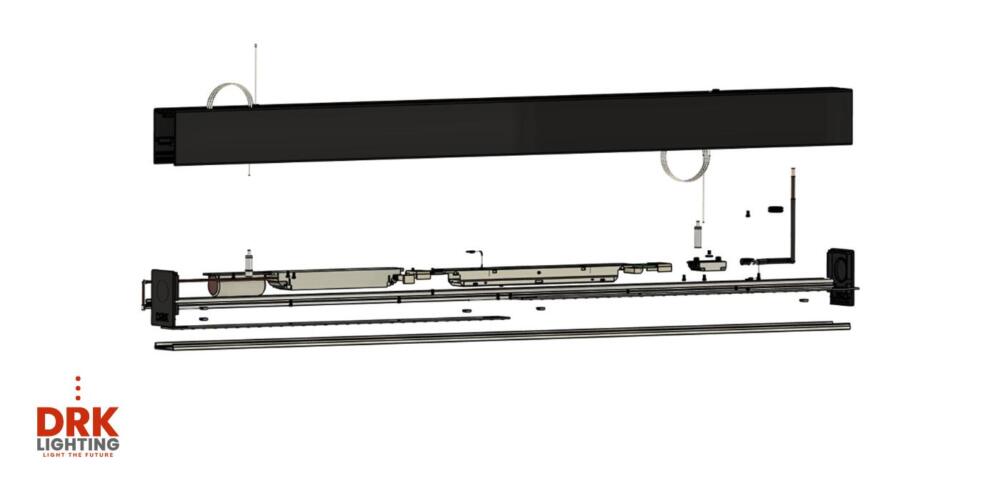
Today, sustainability is a major element of any business strategy. As a result, circular lighting is rapidly becoming the gold standard for energy-efficient and environmentally friendly lighting systems. It combines longevity, modularity and resource recovery, making it more than just a green initiative. It’s a smart investment that helps you meet ESG goals and future-proof your assets. Here’s a checklist that will guide business owners, decision makers and design professionals through each step of the procurement process.
Step 1: Define Your Business Objectives
Before you take a deep dive into technical specifics, make sure to clarify your core goals. Is your priority to reduce operating costs, achieve environmental targets, obtain BREEAM or LEED certification, or is the focus on staff well-being and efficiency? Perhaps it’s all of them. If you make lighting choices based on measurable objectives, you can guarantee solid ROI outcomes and strategic alignment from the start.
Step 2: Evaluate Lifecycle Impact
A circular approach is about more than just energy efficiency – it’s also about repair, recycling and repurposing. Carefully review manufacturer documentation to check that components are reusable and how materials are sourced. You could ask your suppliers for life cycle assessment data or Environmental Product Declarations (EPDs). If you choose modular systems that enable component upgrades and are easily disassembled, you will extend their operating life and reduce waste.
Step 3: Assess Service and Ownership Models
For Cat A fitouts, the traditional purchasing route may not always lead to the best circular outcomes. Consider an alternative, such as lighting as a service (LaaS). LaaS is where you pay for the use of the equipment, but the manufacturer retains ownership and responsibility for maintenance, upgrades and end-of-life recovery. This means that not only are you reducing landfill waste, but you also have the peace of mind that you are not responsible for the lighting.
Step 4: Scrutinise Material and Design Standards
When weighing up potential suppliers, look for those that adhere to recognised standards like Cradle to Cradle Certified® or ISO 14001. Choose modular systems with replaceable components and durable, recyclable materials such as aluminium or bioplastics. Ensure that the light fittings you choose will integrate seamlessly into adaptable ceiling systems, thereby eliminating the need for structural overhauls during future retrofits.
Step 5: Verify Energy and Smart Controls Integration
Circular lighting is at its most effective when operated by intelligent control systems. Check compatibility with daylight and motion sensors as well as digital building management systems (BMS). Smart integration will yield dynamic energy savings, extend the lifespan of your lighting and generate data to help you monitor sustainability performance.
Step 6: Consider End-of-Life Recovery Plans
Purchasing is the start of the process, but what about the end? For genuine circularity, add a take-back agreement or recycling plan with your supplier. Confirm that as many end-of-life components as possible will be reused rather than simply sent to landfill. This will improve your credentials as a proponent of the circular economy and reduce your long-term environmental liabilities.
Step 7: Conduct Total Cost of Ownership (TCO) Analysis
Consider more than just the initial purchase price. Factor in the lower maintenance costs, energy savings, extended life, and residual value over the system’s lifetime. You will often discover that a circular strategy for lighting yields better value and environmental performance than conventional systems.
Circular Lighting Supports Efficiency and Sustainability
Circular lighting is more than a technological upgrade. It contributes to business resilience. By following this checklist, you can balance operational efficiency with sustainability, achieving performance while restricting your environmental impact.