

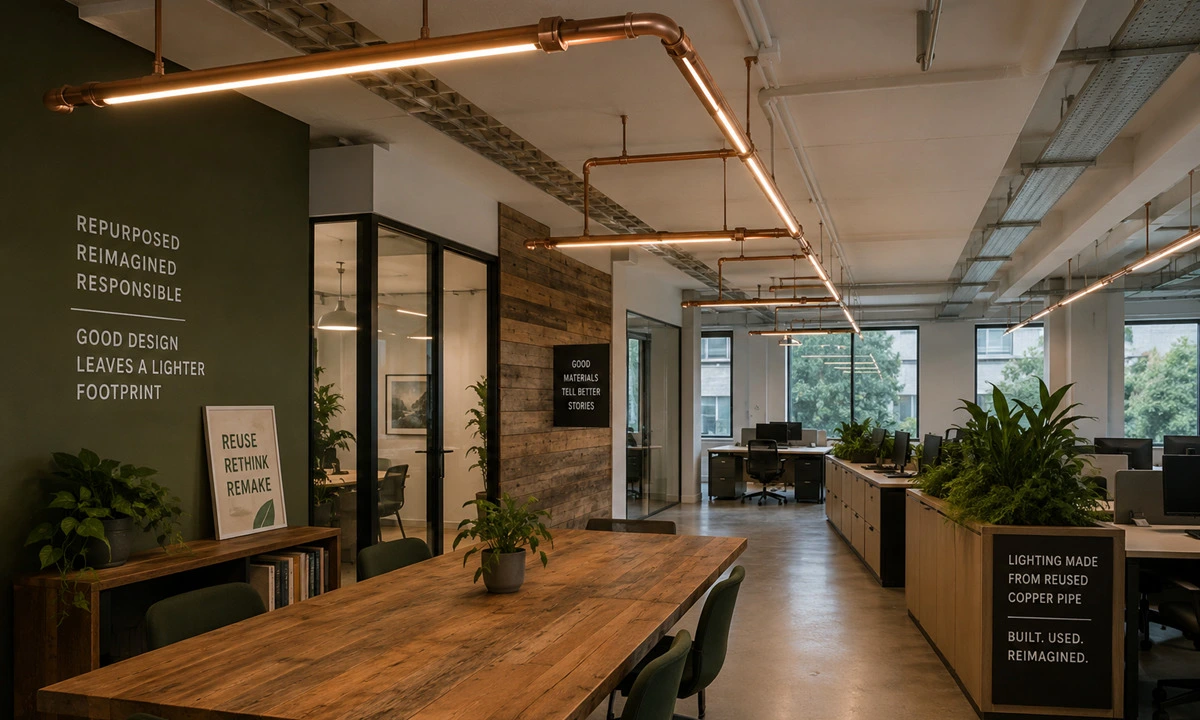
Commercial refurbishment projects generate large volumes of waste every year. Materials removed during upgrades are often discarded once their original purpose has ended. However, not every material removed from a building has reached the end of its useful life. Repurposed lighting is changing this perspective. This process works by transforming unwanted building materials into functional lighting products for commercial interiors. Instead of sending materials directly to disposal, repurposing creates new opportunities for reuse. It also demonstrates that environmental responsibility can be incorporated into everyday design decisions creatively, without compromising functionality.
Giving Building Materials a New Purpose
One of the most distinctive aspects of repurposed lighting is that it uses materials that were never originally intended to become luminaires. Materials removed during refurbishment projects can be transformed into new lighting products. Examples include AC ducting, balustrades, and copper piping. Through repurposing, they can be redesigned into lighting fixtures that serve a completely different purpose. This approach extends the lifecycle of existing materials and reduces the amount of waste left by commercial projects.
Supporting Sustainable Commercial Refurbishments
Sustainability is becoming a larger consideration during commercial refurbishment projects. Businesses are increasingly looking for practical ways to reduce waste without affecting project outcomes. Repurposed lighting contributes to this goal because it keeps materials in circulation rather than replacing them with newly manufactured alternatives. Sustainability improvements do not always require new technologies. Better use of existing resources can deliver meaningful environmental benefits.
Creating Distinctive Commercial Interiors
Commercial interiors often aim to create memorable spaces to reflect a business’s character. Standard lighting products can sometimes make spaces feel similar. Repurposed materials introduce a different design opportunity, particularly for offices, hospitality venues, and public-facing environments. Copper piping can be transformed into decorative light fittings. Reclaimed architectural components can become part of feature lighting installations. These products retain elements of their original form. Also, it creates lighting that is different from conventional fixtures.
A Practical Example of Material Innovation
A demonstration of the capabilities of repurposing is our Coffee Beam downlight. This product incorporates used coffee bean husks within its construction. This demonstrates the process of using waste materials from completely different industries that can become part of functional lighting solutions. The value of repurposing is not limited to construction materials alone. This kind of example shows that waste reduction and product innovation can work together.
Reducing Waste Beyond Recycling
Many businesses focus on recycling when discussing sustainability. Recycling remains important, but repurposing addresses waste at an earlier stage. Repurposed lighting converts materials into functional products rather than breaking them down for raw material recovery, keeping more value within the material and extending its useful life. In many commercial projects, this can be a more resource-efficient approach than replacing materials entirely. It helps retain the value of existing materials for longer before recycling becomes necessary.
Why Repurposing Deserves More Attention
Modern businesses should look beyond traditional replacement models whenever possible. Materials removed from buildings are often viewed as waste simply because their original purpose has ended. Repurposing challenges that assumption. Waste reduction can be achieved by finding new uses for existing materials. Reuse is becoming a bigger priority in commercial projects. Growing sustainability expectations are helping drive this shift.
Redefining Sustainability
Commercial interiors are evolving beyond traditional approaches to materials and waste management. Repurposed lighting supports this shift. It works through transforming materials such as AC ducting, balustrades, and copper piping into functional lighting solutions. Repurposing extends the life of existing materials and reduces waste. It also shows how sustainability can become part of everyday design decisions. As more businesses focus on responsible refurbishment practices, repurposed lighting is helping redefine how commercial interiors approach both sustainability and resource use.
